How Much Do Hologram Security Labels Cost in India? A Procurement Guide for Businesses (2026)
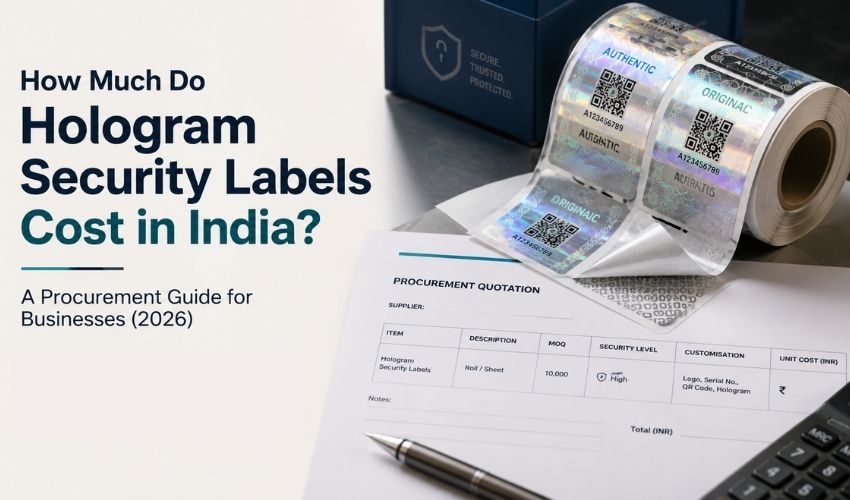
How Much Do Hologram Security Labels Cost in India?
The cost of hologram security labels in India is determined by the product's technical specifications rather than a fixed market price. Factors such as the security architecture, label dimensions, material selection, serialisation, production volume, and application requirements all influence the final quotation. Consequently, reputable manufacturers typically provide customised pricing after assessing the buyer's requirements instead of publishing standard price lists.
For procurement teams, pricing is usually the first discussion point when evaluating hologram security labels. Whether the objective is to safeguard pharmaceutical packaging, authenticate automotive components, or protect premium consumer products against counterfeiting, organisations understandably want to establish a realistic budget before engaging with suppliers.
The challenge is that hologram security labels are not commodity products. They are engineered authentication solutions developed to address specific security risks, regulatory requirements, and packaging environments. Their commercial value lies not merely in the label itself, but in the level of protection it provides throughout the product lifecycle.
This is precisely why two hologram labels of the same size may carry significantly different quotations. One may be designed purely for visual authentication, while another incorporates tamper-evident construction, covert security features, variable serialisation, QR-based traceability, and specialised adhesives for demanding operating conditions. Although both are described as hologram security labels, they are fundamentally different products from a manufacturing perspective.
Understanding what drives pricing allows businesses to evaluate quotations on technical merit rather than unit cost alone. More importantly, it helps procurement teams invest in a security solution that aligns with operational objectives, brand protection strategies, and long-term commercial requirements.
What Are Hologram Security Labels?
Hologram security labels are specialised authentication features designed to help organisations protect products, documents, and brands against counterfeiting and unauthorised duplication. They integrate multiple security technologies within a single construction, which makes replication considerably more difficult while providing overt and covert methods of verification.
A modern hologram security label may combine several authentication elements within a single construction, including:
● Custom holographic imagery
● Tamper-evident structures
● Sequential serial numbering
● QR codes and barcode integration
● Variable data printing
● UV security features
● Microtext and fine-line security patterns
● Multi-layer overt and covert authentication features
Each of these technologies serves a distinct purpose. Some enable distributors and consumers to verify authenticity instantly, while others provide forensic-level protection that can only be validated using specialised equipment.
Their application extends across industries where counterfeit products represent a commercial or regulatory risk, including pharmaceuticals, FMCG, cosmetics, automotive components, electronics, agrochemicals, government documents, educational certificates, and industrial manufacturing.
Rather than functioning as packaging accessories, hologram security labels have become an integral component of brand protection programmes and product authentication strategies.
How Much Do Hologram Security Labels Cost in India in 2026?
Businesses frequently look for a standard per-label price before initiating procurement discussions. In reality, there is no universally applicable market rate.
Unlike conventional printed labels that can often be priced using standard specifications, hologram security labels are manufactured according to individual project requirements. Every quotation reflects a combination of technical specifications, manufacturing processes, production volumes, and security objectives.
For this reason, established manufacturers generally prepare quotations only after evaluating details such as:
● Label dimensions
● Annual consumption
● Initial order quantity
● Security level required
● Material specification
● Adhesive requirements
● Printing requirements
● Variable data or serialisation
● Packaging substrate
● Application method
This approach allows manufacturers to recommend a solution that balances security performance with production efficiency.
From a procurement standpoint, comparing suppliers solely on a quoted price per label often produces misleading conclusions. Two suppliers may submit commercially similar quotations while offering entirely different levels of authentication capability, substrate quality, production controls, and long-term performance.
The more meaningful comparison is therefore between complete security solutions rather than individual unit prices.
What Factors Influence Hologram Security Label Pricing?
Several technical and commercial considerations determine the final manufacturing cost of hologram security labels. While every project is unique, the following variables have the greatest influence on pricing.
| Factor | How It Influences Cost |
| Order Quantity | Production becomes more economical at higher volumes because setup costs are distributed across a larger number of labels. |
| Label Dimensions | Larger labels require more substrate, holographic material, adhesive, and production time. |
| Material Selection | Different substrates offer varying levels of durability, environmental resistance, and application compatibility. |
| Security Features | Advanced authentication elements increase manufacturing complexity and production requirements. |
| Custom Hologram Origination | Bespoke holographic artwork requires dedicated origination before commercial production begins. |
| Variable Data Printing | Serial numbers, QR codes, barcodes, and unique identifiers introduce additional printing and quality-control processes. |
| Adhesive Specification | Different packaging surfaces and operating environments require different adhesive formulations. |
| Supply Format | Labels supplied in rolls for automated application involve different production considerations compared with sheet-fed formats. |
It is important to recognise that these are not additional or unexpected charges. They are engineering variables that determine how effectively the finished label performs in its intended application.
A pharmaceutical company protecting prescription medicines, for example, will typically require a different security architecture from a consumer electronics manufacturer. Similarly, export-oriented businesses may specify authentication features that exceed domestic requirements because products pass through more complex distribution networks.
Consequently, quotations should always be assessed in relation to the level of protection being delivered rather than the purchase price alone. For organisations investing in long-term brand protection, selecting the appropriate specification is often more valuable than achieving the lowest possible unit cost.
Minimum Order Quantity (MOQ) for Hologram Security Labels
Minimum Order Quantity (MOQ) is another factor that businesses should understand before approaching manufacturers for quotations. Although buyers often expect a standard minimum order requirement across the industry, there is no universally accepted benchmark.
The MOQ is influenced by the manufacturing process, the level of customisation involved, and the production resources required to develop the hologram.
Unlike conventional labels, customised hologram security labels frequently involve origination, tooling, security design, quality validation, and production setup before commercial manufacturing begins. These activities represent fixed production costs irrespective of whether the customer orders ten thousand labels or several million.
For this reason, hologram manufacturers generally establish MOQs that make production commercially viable while maintaining consistent quality standards.
Businesses planning to source hologram security labels should therefore be prepared to share information such as:
● Expected annual consumption
● Initial purchase quantity
● Label dimensions
● Product application
● Packaging substrate
● Security objectives
● Printing requirements
● Application method (manual or automatic)
Providing these details at the outset enables manufacturers to recommend an appropriate specification while preparing a quotation that accurately reflects production requirements.
It is also worth considering long-term demand rather than focusing solely on an initial purchase. Organisations that communicate projected annual volumes during commercial discussions often benefit from more efficient production planning and greater consistency across future orders.
How to Choose the Right Hologram Security Label Supplier in India
While pricing is an important consideration, it should not become the sole basis for supplier selection. A hologram security label is expected to perform a critical business function—protecting products against counterfeiting while reinforcing customer confidence. Selecting a supplier exclusively on the basis of the lowest quotation may compromise that objective.
A more effective procurement strategy is to evaluate suppliers against a combination of technical capability, manufacturing expertise, quality systems, and long-term reliability.
Manufacturing Experience
Experience remains one of the strongest indicators of capability within the authentication industry. Manufacturers with an established track record are generally better equipped to recommend security features that are appropriate for different sectors and packaging environments.
More importantly, experienced suppliers understand that effective brand protection requires a combination of technologies rather than reliance on a single holographic element.
Security and Customisation Capabilities
Every organisation faces different security challenges. A pharmaceutical company may prioritise tamper evidence and serialisation, whereas an automotive component manufacturer may focus on traceability and counterfeit prevention throughout the distribution network.
The supplier should therefore demonstrate the capability to develop customised authentication solutions instead of offering standard catalogue products.
This includes the ability to incorporate:
● Custom holographic origination
● Tamper-evident constructions
● Variable data printing
● QR code integration
● Barcode serialisation
● Multi-level overt and covert security features
A customised solution generally delivers stronger long-term protection than a generic hologram label that can be replicated more easily.
Quality Assurance and Production Standards
Consistency is fundamental to security printing.
Variations in holographic quality, adhesive performance, registration accuracy, or material selection can directly affect the effectiveness of the finished product.
Businesses should therefore evaluate the manufacturer's production controls, inspection procedures, and quality assurance systems before making a procurement decision.
A supplier with well-established manufacturing processes is more likely to deliver consistent quality across repeat production batches—an important consideration for organisations managing multiple product lines or nationwide distribution.
Technical Support
Procurement does not end when the purchase order is issued.
During implementation, businesses often require guidance on artwork preparation, substrate compatibility, label application, serialisation requirements, and production planning.
Manufacturers that provide technical consultation throughout the project lifecycle frequently deliver better long-term outcomes than suppliers who simply manufacture to specification.
Long-Term Value Rather Than Lowest Cost
The lowest quotation does not necessarily represent the lowest cost of ownership.
If a security label fails to perform as intended, the resulting commercial consequences—counterfeit products, warranty claims, product recalls, or reputational damage—can far outweigh the initial procurement savings.
A procurement decision should therefore consider the overall value delivered by the authentication solution, including product performance, manufacturing consistency, scalability, and supplier expertise.
For businesses investing in brand protection, long-term reliability is often a more meaningful metric than the initial purchase price.
Why Holoflex?
For more than three decades, Holoflex has worked with organisations across pharmaceuticals, FMCG, automotive, healthcare, manufacturing, and several other sectors to develop authentication and brand protection solutions tailored to their operational requirements.
Its capabilities extend beyond hologram security labels to include tamper-evident labels, security substrates, variable data printing, track-and-trace solutions, and integrated authentication technologies.
Rather than offering standardised security products, Holoflex adopts a consultative approach to solution design. Each project is evaluated on the basis of the customer's industry, packaging environment, security objectives, and production requirements before an appropriate solution is recommended.
This approach enables businesses to implement authentication measures that are technically appropriate, commercially viable, and scalable as production volumes increase.
Frequently Asked Questions
What is the average cost of hologram security labels in India?
There is no industry-wide standard price for hologram security labels. The final cost depends on several variables, including label dimensions, material selection, security features, production volume, serialisation requirements, and application method. Since every organisation has unique authentication requirements, reputable manufacturers typically issue customised quotations after reviewing the project specifications.
What factors have the greatest impact on hologram security label pricing?
The most significant pricing factors include:
● Order quantity
● Label size
● Material specification
● Security architecture
● Custom hologram origination
● Tamper-evident construction
● Variable data printing
● Adhesive selection
● Delivery format (sheet or reel)
Rather than viewing these as additional costs, businesses should regard them as design parameters that determine how effectively the label performs throughout its intended lifecycle.
What is the minimum order quantity for hologram security labels?
Minimum order quantities vary between manufacturers because production requirements differ from one project to another. Factors such as custom hologram origination, manufacturing setup, and production efficiency influence the commercially viable order quantity.
Organisations planning long-term procurement are encouraged to discuss their projected annual demand during the quotation process, as this enables manufacturers to recommend the most efficient production strategy.
Are hologram security labels suitable for small and medium-sized businesses?
Yes. Product authentication is no longer limited to large enterprises. Counterfeiting affects businesses of every size, particularly those with established brands or specialised products.
Small and medium-sized businesses can implement hologram security labels by selecting security features that align with their operational requirements, product value, and budget. An experienced manufacturer can recommend a solution that delivers effective protection without introducing unnecessary complexity.
How should businesses compare quotations from different suppliers?
A quotation should be evaluated on more than the quoted price per label.
Procurement teams should consider:
● Manufacturing experience
● Authentication capability
● Security features offered
● Material quality
● Quality assurance processes
● Production scalability
● Technical support
● Delivery commitments
A supplier offering a marginally lower unit price may not necessarily deliver the same level of security, manufacturing consistency, or long-term value.
Latest Blogs
How Much Do Hologram Security Labels Cost in India? A Procurement Guide for Businesses (2026)
Aug 21, 2026
Garment Tags in India: How Brands Use Custom Tags to Increase Perceived Value & Sales
Jul 27, 2026
Custom Security Labels: How Indian Manufacturers Should Use Them for Tracking & Protection
Jul 16, 2026
Top Benefits of Shrink Sleeve Labels for Product Packaging
Jun 29, 2026
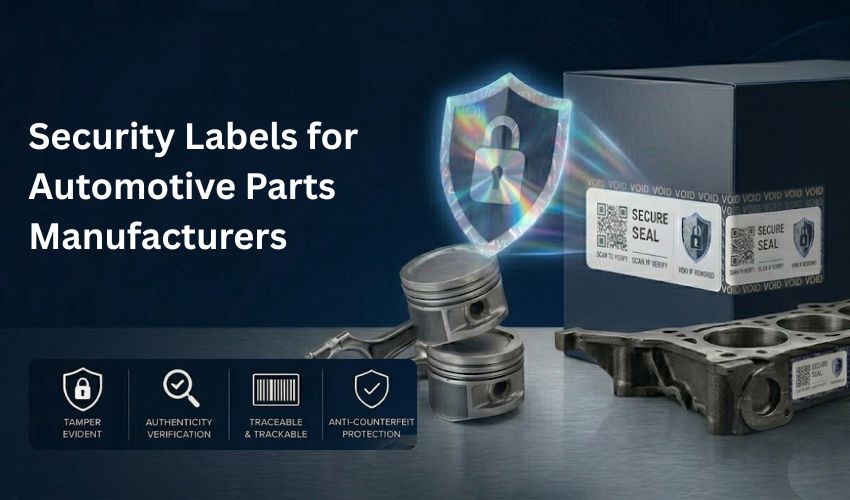
Security Labels for Automotive Parts Manufacturers
Jun 23, 2026

The Evolution of Holographic Technology: From Visual Authentication to Advanced Optical Security
Jun 10, 2026

Smart Labelling Solutions For Food & Beverage Packaging
May 25, 2026

How Secure Packaging Helps E-Commerce Brands Reduce Fraud?
May 21, 2026
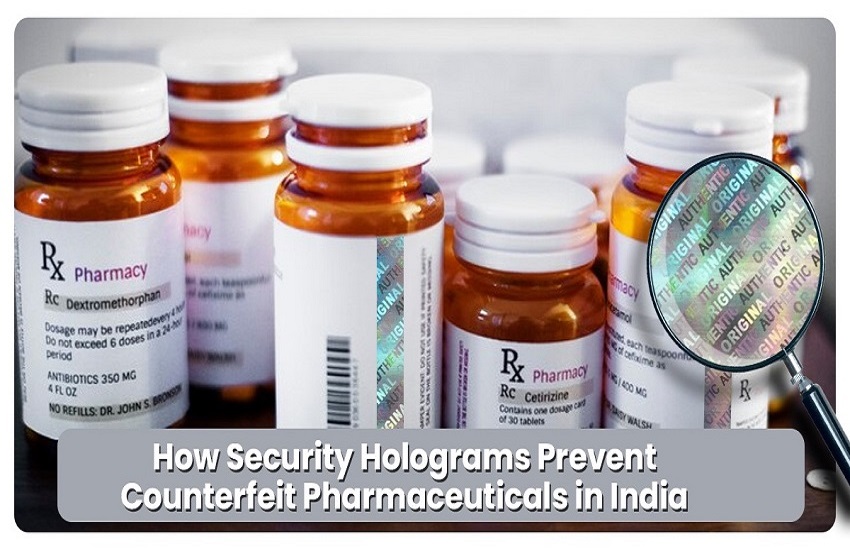
How Security Holograms Prevent Counterfeit Pharmaceuticals in India
Jul 16, 2025
Top 5 Custom Hologram Applications for FMCG Packaging
Jul 24, 2025
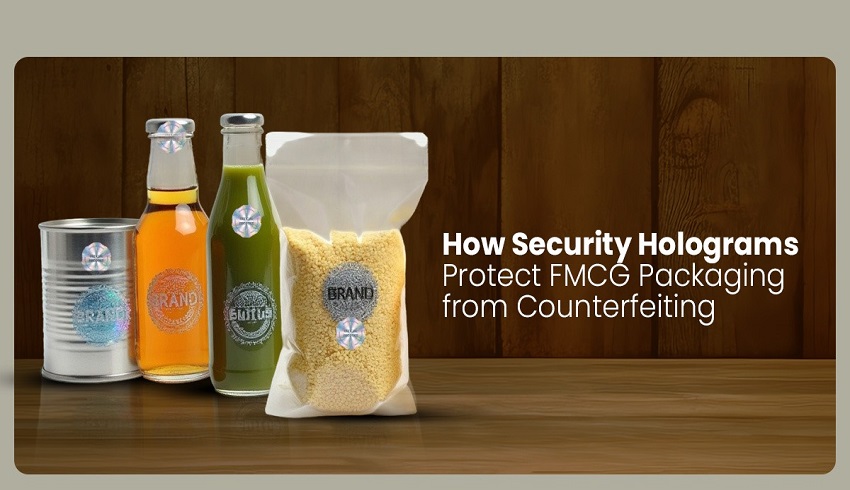
How Security Holograms Shield FMCG Packaging from the Rising Counterfeit Menace
Aug 16, 2025
Why Self-Adhesive Labels Are the Smarter Choice for Modern Packaging
Aug 21, 2025
Revolutionizing Brand Protection: Holographic Security Packaging with Integrated Phygital Solutions
Oct 23, 2025
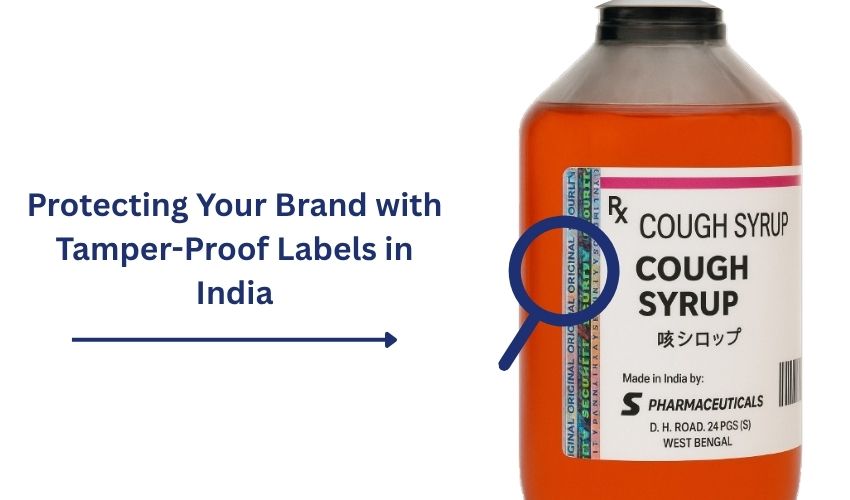
Protecting Your Brand with Tamper-Evident Labels in India
Oct 30, 2025
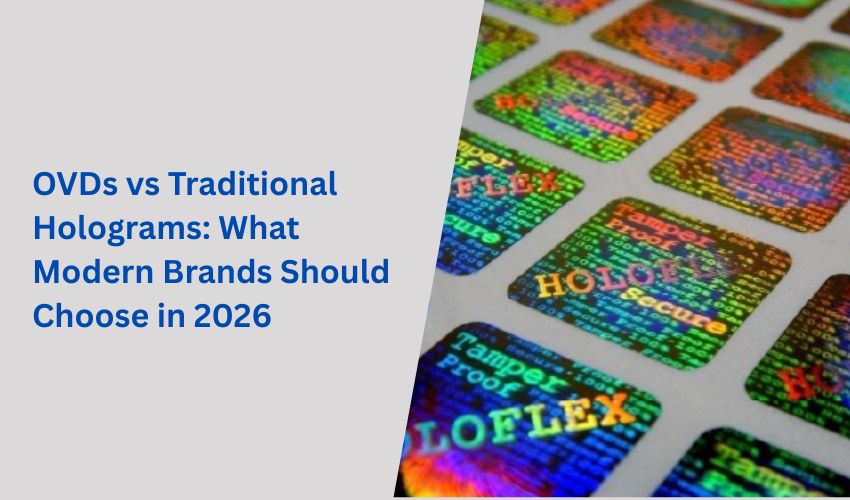
OVDs vs Traditional Holograms: What Modern Brands Should Choose in 2026
Dec 19, 2025
Eco-Friendly Label Materials: How Brands Can Reduce Packaging Waste Without Losing Security
Jan 06, 2026
The Rise of OVD-Led Authentication - Where Design and Advanced Authentication Converge
Feb 12, 2026
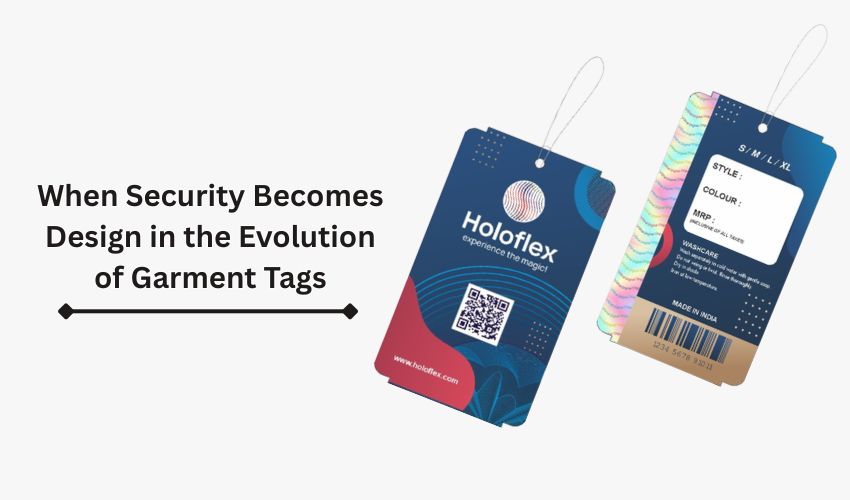
When Security Becomes Design in the Evolution of Garment Tags?
Feb 24, 2026
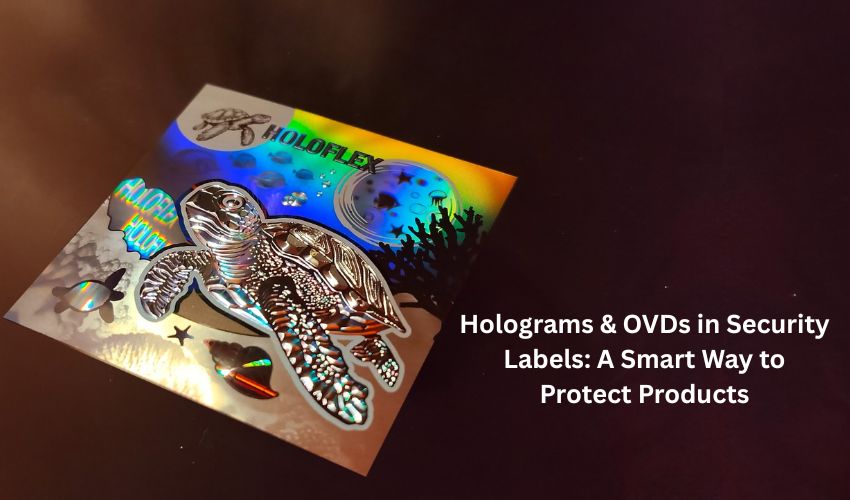
Holograms & OVDs in Security Labels and Stickers: A Smart Way to Protect Products
Mar 17, 2026
Customised Packaging Labels in India: A Complete Guide for Businesses
Mar 24, 2026
How Advanced OVD Technology is Transforming Hologram Security in 2026?
Apr 28, 2026